Flexible Healthy Meal Plan: 7 or 30 Days Made Easy
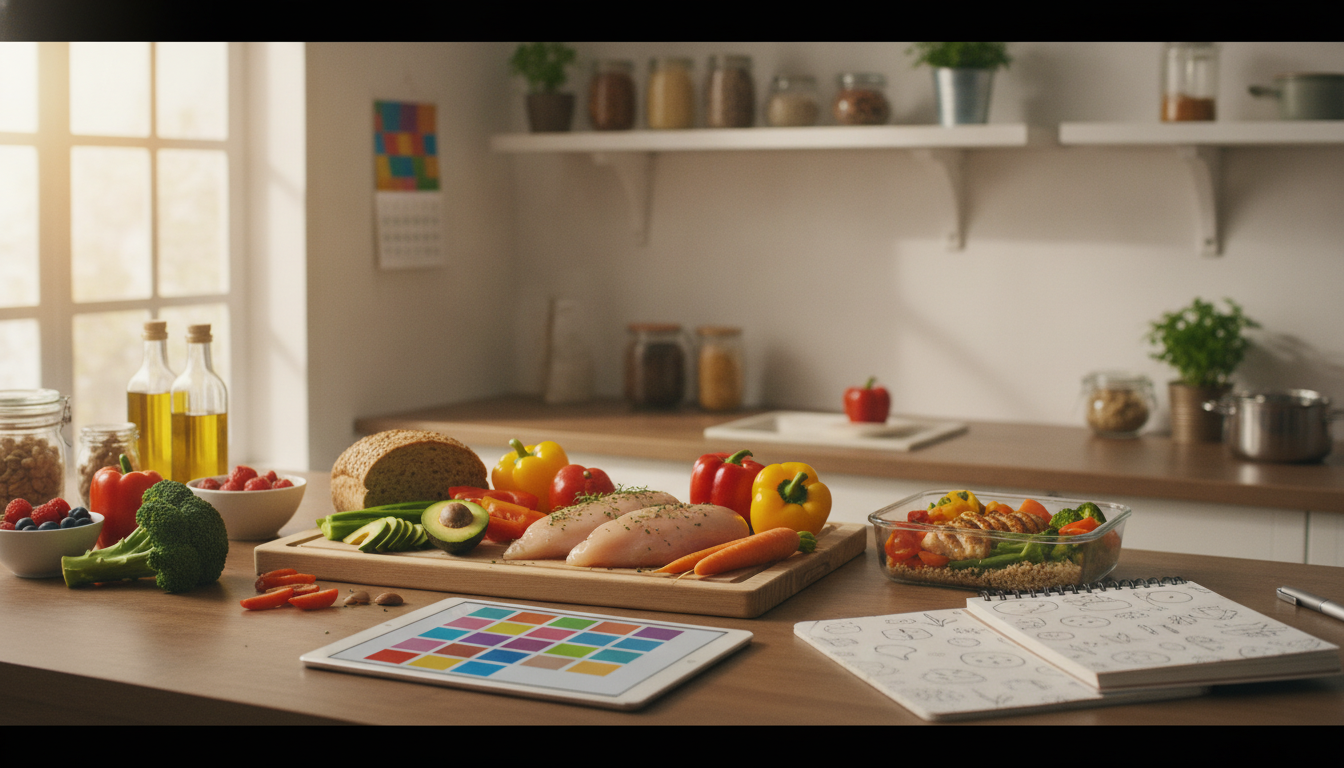
A Flexible Healthy Meal Plan for 7 or 30 Days (With Breakfast, Lunch, Dinner, and Snacks)
A structured meal plan can make healthy eating feel simpler: fewer daily decisions, steadier energy, and more consistent nutrition. The approach below uses a repeatable framework for a one-week plan that can be extended into a full month, with balanced meals across breakfast, lunch, dinner, and snacks—plus built-in flexibility for preferences, schedules, and leftovers.
What “balanced” looks like in a practical weekly plan
A balanced meal plan doesn’t have to be perfect—it just needs to be consistent. A practical template is: protein + fiber-rich carbs + colorful produce + healthy fats. If you’d like a visual guide, Harvard’s Healthy Eating Plate is a helpful reference, alongside the Dietary Guidelines for Americans.
- Anchor meals with protein: Prioritize protein at breakfast and lunch (eggs, yogurt, beans, chicken, tofu) to stay satisfied between meals.
- Lean on fiber: Rotate oats, quinoa, beans, lentils, fruit, and vegetables for digestion and steadier energy.
- Vary cooking styles: Mix sheet-pan, slow cooker, stovetop, and no-cook meals to reduce burnout.
- Plan snacks on purpose: Pair protein/fat with fiber (like apple + peanut butter) to help avoid blood sugar spikes and crashes.
- Hydration matters: If you’re increasing fiber, drink more fluids and be mindful of sodium—especially with canned foods.
A 7-day meal plan framework that scales to a full month
The easiest way to keep momentum is to repeat a structure, not the same meals forever. Pick a small set of “go-to” breakfasts, lunches, and dinners, then change flavors week to week with different produce and sauces.
- Choose 2 breakfasts, 2 lunches, and 3 dinners to rotate across the week; repeat the structure for Weeks 2–4 with new flavors.
- Plan 2 leftover nights weekly to save time and reduce food waste.
- Use a mix-and-match snack list so daily calories can flex up or down without lowering meal quality.
- Keep quick backups: frozen vegetables, canned beans, eggs, bagged salad, rotisserie chicken.
One-week sample rotation (repeat with new recipes to create a month)
| Day | Breakfast | Lunch | Dinner | Snack ideas |
|---|---|---|---|---|
| Mon | Greek yogurt + berries + oats | Turkey/bean salad wrap + side veggies | Sheet-pan chicken + roasted vegetables | Apple + peanut butter |
| Tue | Veggie omelet + whole-grain toast | Leftover sheet-pan chicken bowl | Salmon (or tofu) + rice + greens | Cottage cheese + pineapple |
| Wed | Overnight oats + chia + fruit | Lentil soup + salad | Stir-fry (beef/chicken/tofu) + mixed vegetables | Hummus + carrots |
| Thu | Smoothie (protein + spinach + banana) | Quinoa bowl + chickpeas + veggies | Taco night (lean protein + beans + salsa) | Trail mix (nuts + dried fruit) |
| Fri | Avocado toast + eggs | Leftover taco bowl | Pasta night (whole grain) + veggies + protein | Dark chocolate + strawberries |
| Sat | High-protein pancakes + fruit | Big salad + canned tuna/beans | Slow-cooker chili + side salad | Edamame |
| Sun | Breakfast burrito (egg + beans + veggies) | Chili leftovers | “Clean-out-the-fridge” veggie frittata | Yogurt + nuts |
Breakfast ideas that stay satisfying
Breakfast tends to “set the tone” for the day. A protein-forward base plus fiber is a simple combo that keeps hunger predictable.
- Protein-forward options: eggs with vegetables, Greek yogurt bowls, cottage cheese toast, tofu scramble.
- High-fiber add-ons: chia, oats, ground flax, berries, apples, pears, whole-grain bread.
- Make-ahead wins: overnight oats, egg muffins, chia pudding, freezer smoothie packs.
- Rush-proof default: protein shake + fruit + a handful of nuts.
Lunches that travel well (and don’t get boring)
To avoid mid-week lunch fatigue, keep the “base” consistent and rotate sauces and crunchy toppings.
- Base + topping method: greens or grains + protein + crunchy veg + dressing/sauce.
- Batch-cook building blocks: one protein (chicken, tofu, beans, tuna) and one grain (rice, quinoa) for fast bowls.
- Flavor variety with sauces: tahini-lemon, salsa, pesto, yogurt-herb, peanut-lime.
- Pack texture separately: nuts, tortilla strips, or croutons to keep salads crisp.
Dinners built for leftovers and weeknight speed
Most people don’t need more recipes—they need fewer “what’s for dinner?” moments. Use repeatable templates that scale.
- Three reliable templates: sheet-pan meals, stir-fries, and one-pot soups/chilis.
- Double once per week: plan next-day lunches from leftovers to reduce cooking frequency.
- Easy plate balance: half vegetables, a palm-sized protein portion, and a fist-sized carb portion (adjust to hunger and activity).
- Use smart shortcuts: frozen vegetables and canned beans cut prep time without sacrificing nutrition.
Snack strategy for steady energy
Grocery planning and prep in 60–90 minutes
A ready-to-follow plan with recipes (one week or one month)
- Healthy Meal Plan & Recipe Collection | One-Week or One-Month Healthy Meal Plan with Recipes for Breakfast, Lunch, Dinner & Snacks | Balanced Nutrition eBook (digital, easy to reference from a phone or tablet)
- Personal Finance Made Easy Ebook – Budgeting, Saving, Investing & Debt Management Guide for Financial Freedom (helpful for building a grocery budget that supports your plan)
- Conflict-Resolution Workbook for Couples | Printable Relationship Communication eBook | Improve Listening, Resolve Arguments, Rebuild Trust (useful when meal planning and cooking responsibilities are shared)
FAQ
Can the one-week plan be repeated for a full month without getting monotonous?
Yes—keep the same weekly structure, then rotate proteins, sauces, and vegetables each week. Swapping 2–3 dinners weekly while keeping 1–2 “signature” breakfasts makes the plan feel fresh without adding complexity.
How can meals be adjusted for higher protein or lower carbs?
Increase lean protein portions (extra chicken, Greek yogurt, tofu, eggs) and add more non-starchy vegetables. Reduce grain portions, choose higher-protein snacks, and keep healthy fats moderate so overall calories stay aligned with your goals.
What’s the easiest way to meal prep if only one cooking session is possible each week?
Cook one grain, one protein, and roast a large tray of vegetables, then make a versatile sauce for flavor changes. Store portions in clear containers, refrigerate 3–4 days’ worth, and freeze extras for later in the month.











Leave a comment