Indoor Cat Enrichment: DIY Toys, Routines, Home Setup
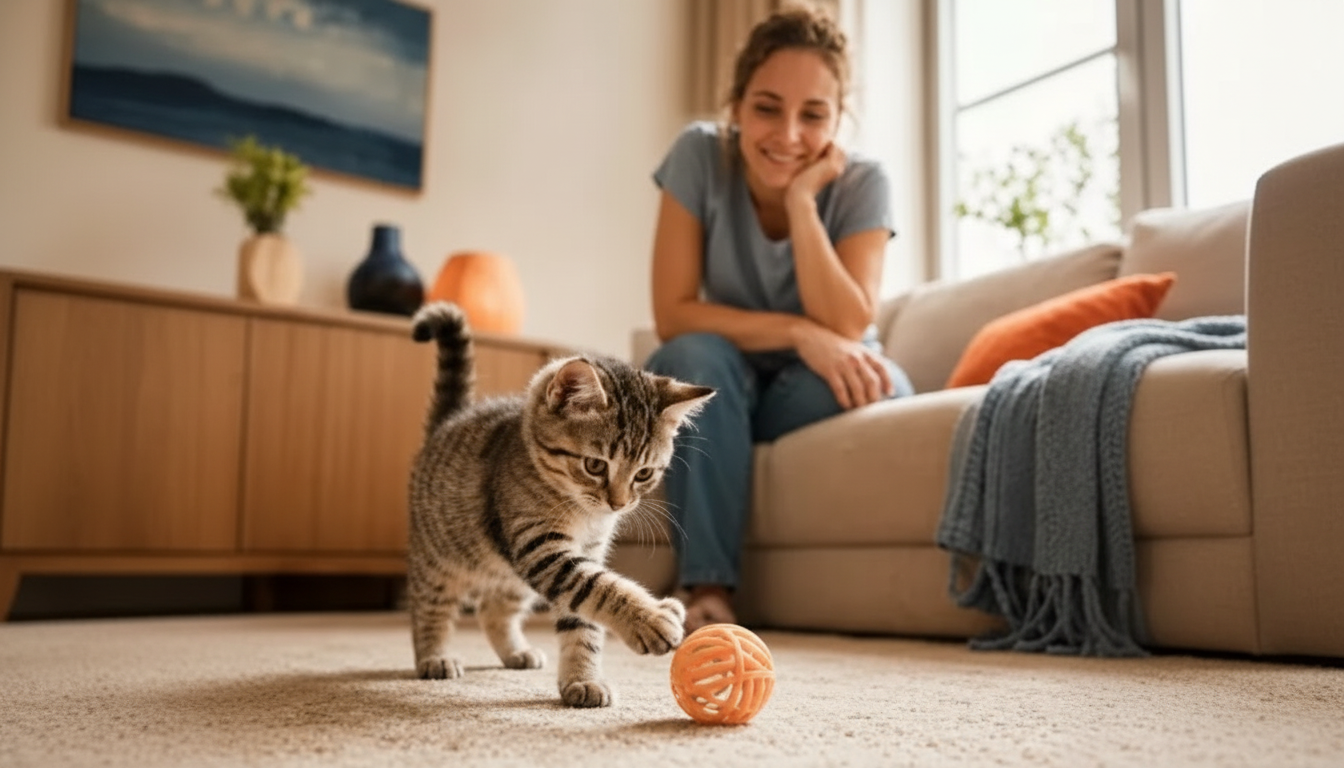
Enrichment Ideas for Indoor Cats: DIY Toys, Play Routines, and a Cat-Friendly Home
Indoor cats can thrive when daily life includes hunting-style play, variety, safe climbing, and predictable routines. A good enrichment plan doesn’t need a big space or expensive gear—it needs options you can rotate and repeat. The ideas below are organized by category so it’s easy to mix and match for kittens, adults, seniors, and multi-cat homes to reduce boredom, support healthy weight, encourage natural behaviors, and keep home life interesting. For more guidance, see The Best Indoor Cat Enrichment Ideas: Toys, Puzzles, and ….
Start with the basics: what “enrichment” means for a cat
Cat enrichment is any safe activity or setup that lets a cat practice natural behaviors—especially hunting, climbing, scratching, exploring, and choosing when to interact. The most successful plans focus on meeting needs in small daily “wins,” not on having the most toys. For further reading, see Feline DIY Enrichment.
- Aim to meet key needs: hunting/play, climbing/perching, scratching, chewing/biting appropriate items, exploring, resting safely, and social interaction on the cat’s terms.
- Think in short cycles: stalk → chase → pounce → “catch” → eat/rest. Ending play with a small snack often feels most satisfying.
- Rotate novelty: switching toys, routes, or scent experiences weekly can be more effective than buying more items.
- Watch body language: stop when the tail lashes sharply, ears pin back, or the cat starts hiding; reduce intensity next session.
| Need | Why it matters | Quick examples |
|---|---|---|
| Hunt/play | Burns energy and reduces boredom | Wand toy sessions, hallway “chase” games, treat toss |
| Climb/perch | Adds territory and confidence | Window perch, cat tree, cleared shelf route |
| Scratch | Stress relief and claw care | Vertical sisal post, cardboard scratcher, doormat-style mat |
| Forage/eat | Slows meals and engages brain | Puzzle feeder, scatter feeding, snuffle-style mat |
| Hide/rest | Security and decompression | Covered bed, box cave, quiet room retreat |
Simple home setup that unlocks daily enrichment
Small changes to the environment can make play and movement feel “automatic,” even on busy days.
- Create a “cat highway”: build a route of safe perches (chair → shelf → cat tree) that allows movement without crossing the floor.
- Offer multiple scratch zones: at least one vertical and one horizontal scratcher in high-traffic areas.
- Place resources to prevent conflict: in multi-cat homes, separate food/water/litter and add extra resting spots so no one gets cornered.
- Use windows intentionally: add a perch, secure blind cords, and place a bird feeder outside (at a safe distance) for “cat TV.”
- Add micro-hides: boxes, paper bags with handles removed, or covered beds in quiet corners help cats decompress.
For additional cat-care guidance, reliable references include the American Veterinary Medical Association (AVMA) and the American Association of Feline Practitioners (AAFP).
DIY toys that mimic hunting (fast to make, easy to rotate)
Many cats prefer toys that move like prey—quick bursts, sudden stops, and hiding. The best DIY toys are simple, easy to replace, and safe to supervise.
- Paper “prey” balls: crumple printer paper into different sizes; hide a treat in one ball for a foraging twist.
- Sock kicker: fill an old sock with fabric scraps; tie off firmly. Use as a supervised bunny-kick target (remove if it frays).
- Cardboard maze: cut doorways in a box and toss in a ping-pong ball or paper ball; encourage pounce and bat behavior.
- Toilet-paper-roll treat puzzle: fold one end, add a few treats, fold the other end; let the cat tear or paw it open.
- Scent swap: rub a toy lightly with silvervine/catnip (if the cat responds) and rotate it out after a day to keep interest high.
- Safety check: avoid string, ribbons, rubber bands, and small parts that can be swallowed; supervise anything that can shred.
| Toy | Best for | Time to make |
|---|---|---|
| Paper prey balls | Bat-and-chase | 1 minute |
| Sock kicker | Wrestling/bunny kicks | 3 minutes |
| Cardboard maze box | Pounce/ambush | 10 minutes |
| TP roll treat puzzle | Foraging | 2 minutes |
Play routines that actually stick (5–10 minutes at a time)
Consistency matters more than intensity. Two to four short sessions fit real schedules and help indoor cats burn energy without getting overstimulated.
Sample weekly play plan
Food enrichment and foraging without overfeeding
Stress-busting enrichment for shy cats, seniors, and multi-cat homes
Printable guide for easy planning and rotation
For a ready-to-use plan, see the Enrichment Ideas for Indoor Cats printable guide (printable weekly rhythm, DIY toy ideas, and rotation trackers).
If managing routines across the household is part of the challenge, a structured printable can also help with consistency beyond pet care: Conflict-Resolution Workbook for Couples.
| Category | Pick 1–2 options | Rotate how often? |
|---|---|---|
| Active play | Wand / chase / kicker (supervised) | Every 1–2 days |
| Foraging | Puzzle feeder / treat toss / scatter | Daily |
| Climbing | Perch / tree / shelf route | Keep consistent; add 1 new spot monthly |
| Scratching | Vertical + horizontal | Keep consistent; replace when worn |
| Calm enrichment | Brush / training / scent | 2–3x per week |
FAQ
How do I create enrichment for my cat?
Combine daily hunting-style play (short wand sessions), climbing/perching options, scratching stations, and food-foraging puzzles. Rotate toys weekly, keep routines consistent, and match difficulty to your cat’s confidence and age.











Leave a comment