Solo Travel Safety Plan: Checklist, Habits & Backups
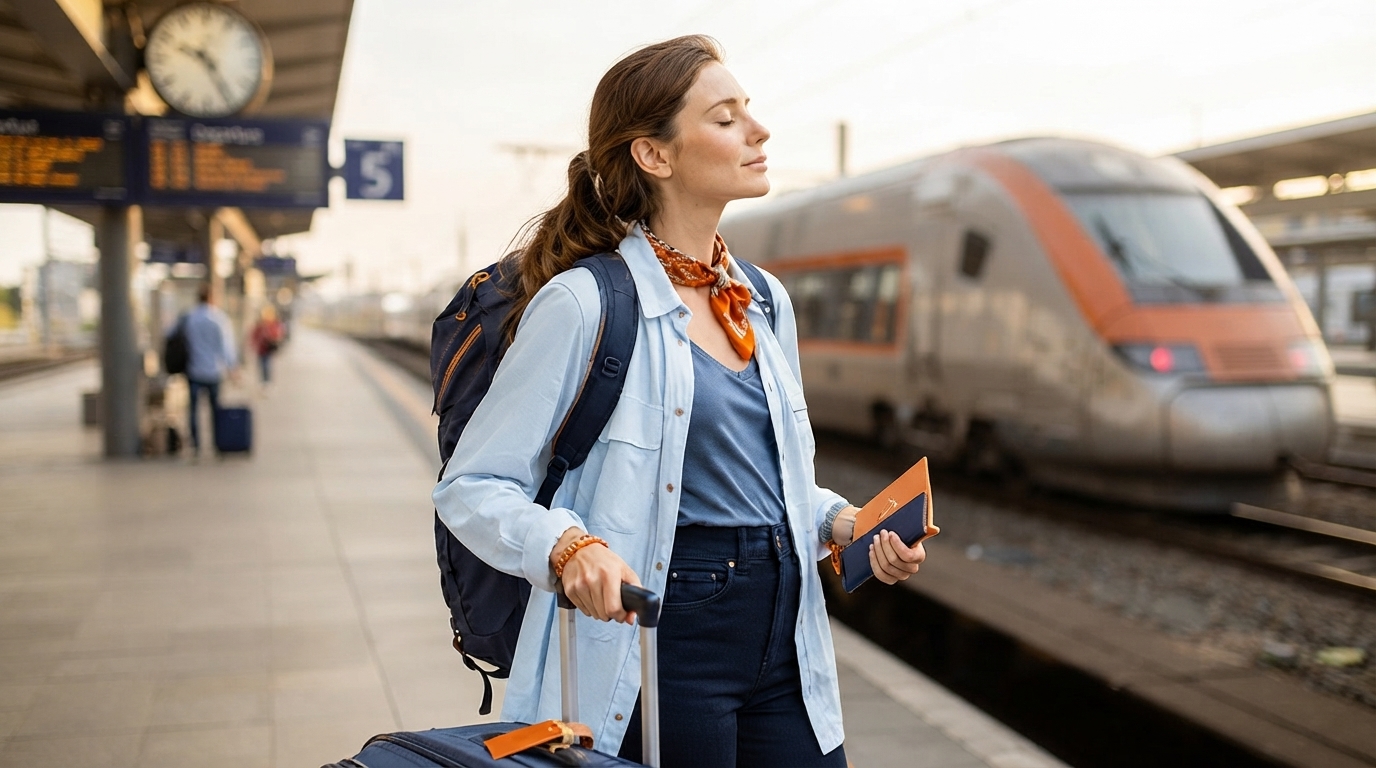
Solo Traveler’s Guide to Staying Safe: Practical Planning, Smart Habits, and a Ready-to-Use Checklist
Solo travel can be freeing and confidence-building, but it also means handling planning, decisions, and problem-solving without a built-in backup. A simple security routine—before departure and on the ground—helps reduce common risks like theft, scams, health issues, and getting stranded. Use the steps below to build a travel security plan that fits your destination, schedule, and comfort level.
Pre-trip security planning that prevents most problems
Most solo travel “emergencies” start as small oversights. A few structured choices before you leave can reduce risk without making your trip feel restricted.
- Research current conditions: entry requirements, common scams, neighborhood safety patterns, and local laws that can affect travelers. Cross-check official guidance like the U.S. Department of State International Travel site.
- Create a must-have list for critical items: passport/ID, payment method, phone access, medications, and emergency contacts—then plan redundancy for each (backup card, printed contacts, spare charging, etc.).
- Share a basic itinerary with a trusted person (lodging, general route, and check-in timing) without publicly posting detailed real-time plans.
- Set up a backup money plan: a secondary card, small emergency cash stored separately, and a way to access funds if your primary card is compromised.
- Plan arrival timing: daytime arrivals and pre-arranged transport reduce rushed decisions and exposure to transit-area scams.
- Prepare digital copies of important documents and store them securely (encrypted storage or a trusted password manager).
A solo travel safety checklist (printable-style quick scan)
Use this quick scan to confirm you’ve covered the essentials before your trip and as your days evolve on the road.
- Confirm travel insurance coverage details and emergency phone numbers.
- Save local emergency numbers, embassy/consulate contact details, and your accommodations’ address in both your phone and on paper.
- Enable phone lock, device tracking, and strong passwords; turn on two-factor authentication for key accounts.
- Pack a small personal safety kit: basic first-aid supplies, any prescription copies, a flashlight, and a backup charging option.
- Decide on simple rules for yourself: how late to stay out, how much to drink (if at all), and what situations trigger leaving immediately.
Quick checklist by travel phase
| Phase | Do this before moving on | Notes |
|---|---|---|
| Before departure | Share itinerary, set up backups for money/phone, store document copies | Keep backup items separate from your primary wallet and phone |
| Arrival day | Arrange transport, confirm accommodation check-in, scan exits and reception hours | Avoid broadcasting your room number or full plans in public |
| Daily routine | Carry only what you need, keep devices secured, set check-in time | Use a cross-body bag/anti-theft measures where appropriate |
| Night outings | Plan your route back, watch your drink/food, trust early warning signs | If something feels off, leave and reset somewhere safe |
| Emergency | Get to a safe place, contact local emergency services, notify your trusted contact | Document key details when safe to do so |
Choosing safe stays and safer transportation
Your lodging and how you move between “nodes” (airport, station, hotel, attractions) do a lot of the safety heavy lifting.
- Prioritize accommodations with clear reception procedures, secure entry, strong reviews for location and staff helpfulness, and straightforward late check-in policies.
- Request practical details in advance: how to access the building after hours, whether reception is staffed, and the safest route from transit points.
- Use reputable transport options: official airport taxis, well-reviewed ride services, or pre-arranged transfers—especially on arrival.
- Avoid predictable patterns: vary your walking routes and timing when feasible, and stay aware in transition areas like stations and tourist choke points.
- Keep arrival essentials accessible: address in the local language, an offline map, and a backup payment method.
Situational awareness without fear: simple habits that work
Safety doesn’t require hypervigilance. It’s a few repeatable micro-habits that keep you from being rushed, isolated, or distracted.
Money, documents, and anti-theft setup
Health and personal safety: preparation for common disruptions
- Check destination health guidance and recommended vaccinations well in advance of travel via CDC Travelers’ Health and the World Health Organization travel health resources.
- Bring essential medications in original packaging, plus a short buffer supply; store prescriptions and a medication list separately.
- Plan hydration, food, and rest like security tools: fatigue and low blood sugar increase risky decisions.
- Know your limits with activities (nightlife, hiking, water sports) and keep a conservative margin when alone.
- If something goes wrong, prioritize: get to safety, get help, then document details.
When plans change: a calm response plan for solo travelers
Digital download that makes planning easier
If you want a ready-to-use version you can save to your phone or print, see: Solo Traveler’s Guide to Staying Safe (PDF eBook download).
For travelers who like to build a stronger money buffer before a trip (emergency fund, spending plan, and card strategy), this companion resource can help: Personal Finance Made Easy Ebook – Budgeting, Saving, Investing & Debt Management Guide for Financial Freedom.
FAQ
Is solo travel safe for first-time travelers?
It can be, depending on the destination and your planning habits. Start with lower-complexity trips, aim for daytime arrivals, book reputable lodging, and use a simple check-in routine with someone you trust.
What should a solo traveler do if their phone is lost or stolen?
Get to a safe public place first, then lock your accounts and device as soon as possible using tracking tools or account recovery. Contact your carrier and bank, access your saved document copies, and notify your trusted contact of the situation and your updated way to reach you.
What are the most important items to keep in a separate backup location?
Keep a secondary payment method, a small amount of emergency cash, a copy of your ID/passport details, emergency contacts, and your accommodation information stored separately from your main wallet and phone.








Leave a comment