Cat Enrichment Ideas: Daily Play, Puzzles, and Setup
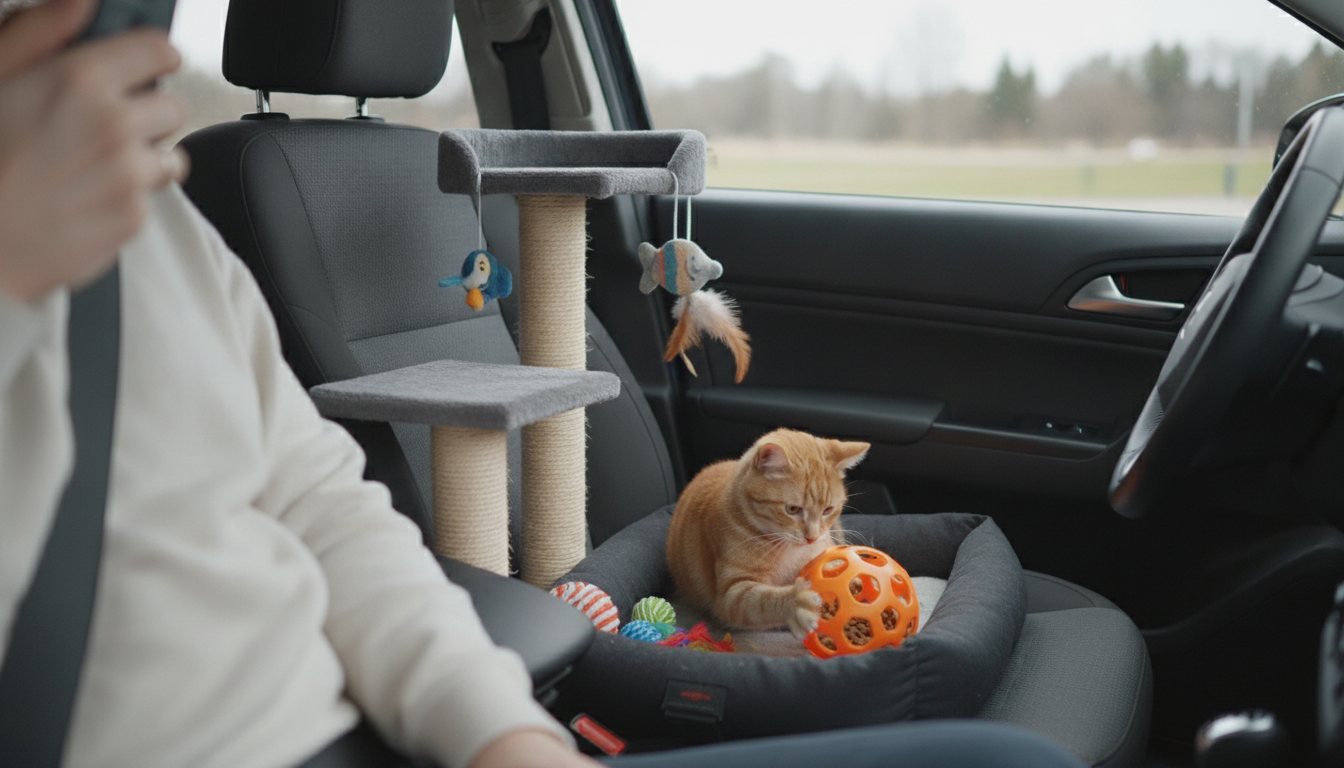
How do I create enrichment for my cat?
Cat enrichment means giving your cat safe ways to hunt, climb, scratch, explore, and solve small “puzzles” each day. The goal is to turn normal indoor life into a series of mini-adventures that use their brain and body—without overwhelming them. A strong enrichment plan mixes movement, mental challenge, and choice (places to go, things to do, and ways to opt out).
Build a simple daily routine
Start with two short play sessions (5–10 minutes) using a wand toy or anything that mimics prey. End each session with a small treat or meal to satisfy the hunt-catch-eat cycle. Rotate toys every few days so they stay interesting, and leave a couple of solo toys out for “between time.”
Upgrade your space with cat-friendly zones
Create three essentials: vertical territory (cat tree, shelves, or sturdy furniture routes), scratch stations (one vertical, one horizontal), and cozy hiding/resting spots. Put one “lookout” near a window if possible, and move a bed or perch occasionally to keep the environment fresh without a full rearrange.
Add low-effort brain games
Food puzzles are one of the easiest enrichment wins. Use a treat ball, DIY paper “snuffle” setup, or hide a few kibble pieces in different rooms. Keep difficulty low at first so your cat doesn’t get frustrated, then gradually make it more challenging as they learn.
Keep it safe and stress-free
Choose toys without loose strings, supervise anything with feathers or long ribbons, and inspect playthings often. If your cat gets overstimulated (tail flicking, ears back, sudden biting), pause and offer a calm spot to decompress.
For step-by-step ideas like DIY toys, play schedules, and home setup tips, visit the full guide: Indoor Cat Enrichment: DIY Toys, Play Routines & Home Setup.
FAQ
How can I tell if my indoor cat is bored?
Common signs include excessive meowing, over-grooming, waking you at night for attention, or suddenly “getting into trouble” like knocking items down. Some cats also seem restless or lose interest in toys quickly.











Leave a comment